Souls Can Persist After the Body Dies
The Thing on the DoorstepSouls Can Persist After the Body Dies is the occult rule that makes death an incomplete boundary in Edward Pickman Derby’s account: a soul can remain active after its body has died, and may continue to exchange bodies while that body endures. The rule turns bodily death from a final event into a possible stage in an ongoing struggle over identity and possession.
Definition and Mechanism
Edward describes a soul as capable of becoming partly detached from its body. In his explanation, a residual Life-glow can persist after physical death, keeping the soul active and able to break the connection between body and identity. This account distinguishes the survival of a person from the survival of the body: a dead body may remain the instrument through which a surviving soul acts.
The exchange is not presented as a simple return to life. Edward believes that Asenath Waite, whom he identifies as Ephraim Waite inhabiting her body, could take control of his body while placing him in hers. He later tells Daniel Upton that killing Asenath did not end the danger: her soul, or Ephraim’s, continued to act after death and began forcing Edward into her buried body. The rule therefore allows both continued agency and a renewed transfer between bodies.
Hallowmass and Permanence
Edward connects the persistence of the soul to a ritual held at Hallowmass. He says that a sacrifice at a Sabbat beyond Chesuncook would have made Asenath’s exchange with him permanent, leaving her in his body and him in hers. In his later letter, he concludes that the rite could still take effect after Hallowmass even though Asenath was dead and absent from the ritual site. The calendar and sacrifice are thus described not merely as conditions for an exchange, but as means of fixing it beyond reversal.
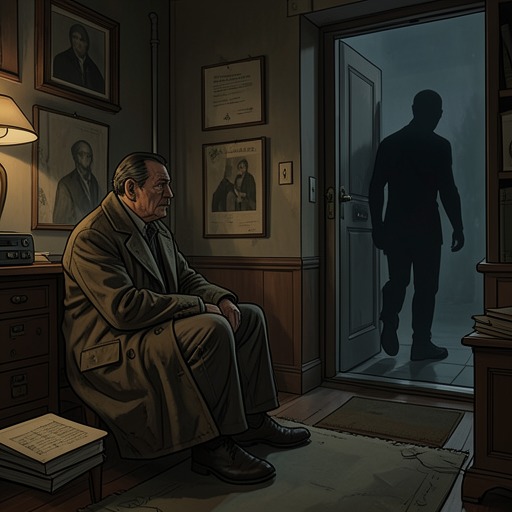
These claims come through Edward’s frightened testimony rather than through Daniel Upton’s direct observation of the ritual. Daniel initially treats Edward’s account as delusion, but later accepts it after the events surrounding Edward’s death. The narrative supports the rule through the consequences Edward reports and Daniel encounters, while leaving the ritual’s procedure itself largely outside the witnessed action.
Consequences for Edward and Daniel
After killing Asenath, Edward believes that her surviving soul has moved into his body while he has been placed in her corpse. He escapes from the cellar and sends Daniel a written warning: the person held at the sanitarium is no longer Edward, and the body should be cremated lest its occupant persist and take another body. The warning makes the dead body a continuing danger rather than a mere remnant.
Daniel acts on the warning and shoots the occupant of Edward’s body at the Arkham Sanitarium. Yet the killing does not reassure him. He fears that the entity may survive the body’s death, insists that the body be cremated, and worries that he himself may become its next target. The rule’s final consequence is therefore not a confirmed end but an unresolved threat: bodily destruction may be insufficient unless the remaining body is also removed.
Narrative Significance
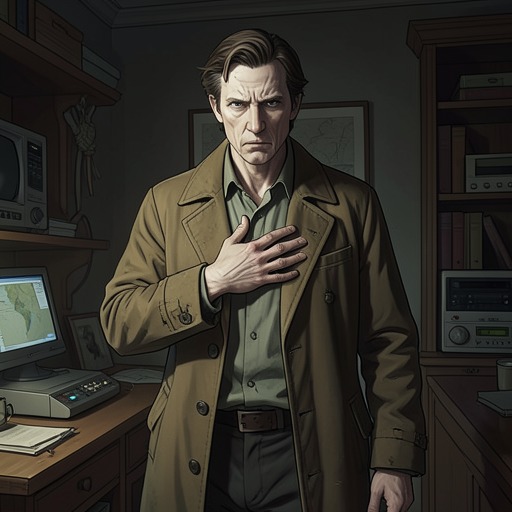
The possibility of survival after death destabilizes the ordinary signs by which a person is recognized. A familiar body may contain another consciousness, while a dead body may remain capable of sustaining one. Edward’s appeals to handwriting, remembered signals, and changes in manner all matter because outward identity can no longer guarantee who is present.
The rule also drives the story’s reversal of rescue and murder. Daniel believes he is helping Edward when he responds to the familiar knock and later acts on the warning, but the body he shoots is already described as no longer Edward’s. His final insistence on cremation follows the same logic: if identity can outlast the body, then killing an apparent antagonist cannot by itself establish that the danger has ended.